UN climate talks break down over bitter disagreements on fossil fuels
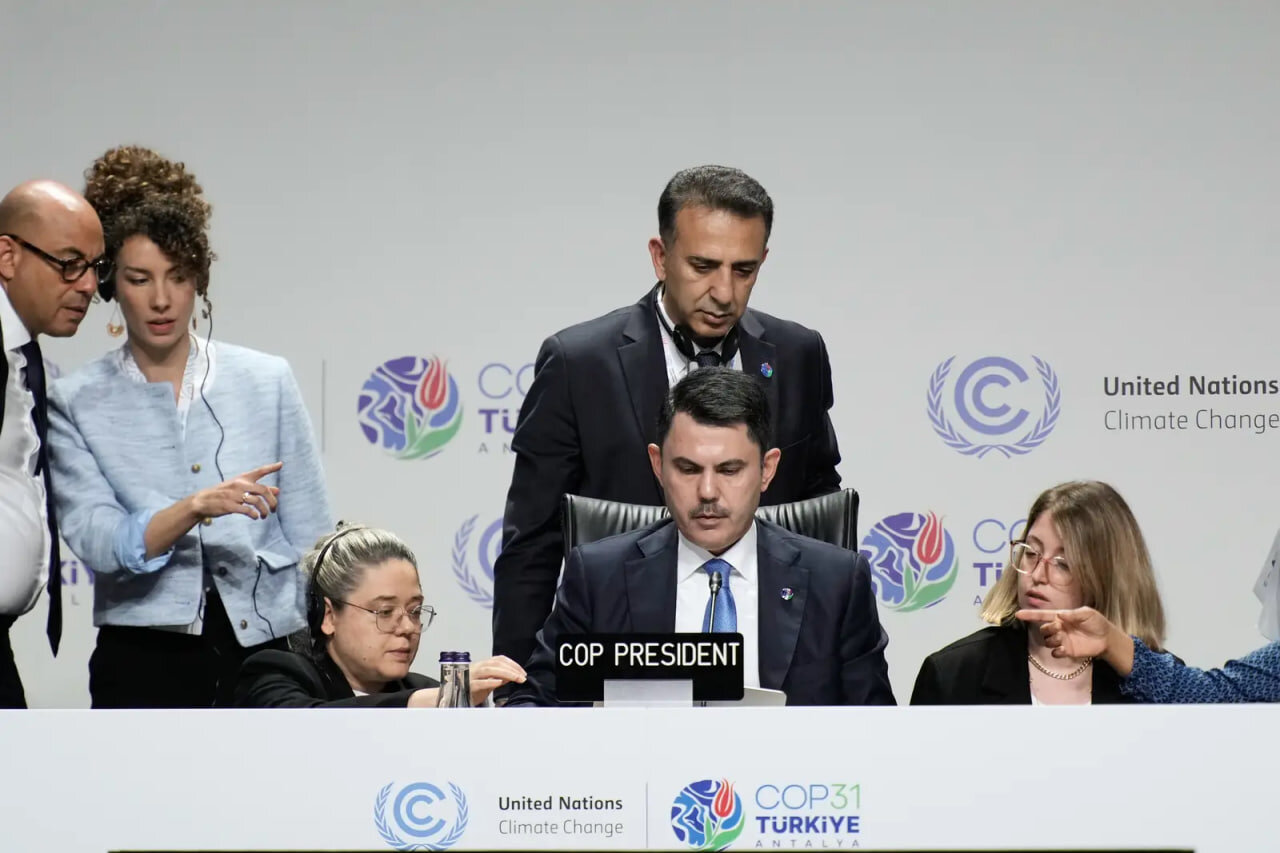
The COP31 climate conference in Antalya, Turkey, collapsed Sunday as countries failed to agree to an overarching deal after more than two weeks of contentious negotiations. The breaking point was over the very cause of climate change itself: fossil fuels.
Russia and Saudi Arabia sought to keep fossil fuels out of the document, according to click2houston.com.
The annual UN climate talks, which stretched deep into overtime over the weekend, hold the dubious honor of being the longest COP in history and the first major breakdown since COP15 in Copenhagen in 2009.
Experts criticized the conference as a stunning failure of leadership at a time when the climate crisis is accelerating with increasingly deadly consequences.
“This has been the worst ever COP and its collapse needs to be a wakeup call for the world,” said Mohamed Adow, director of the energy think tank Power Shift Africa, CNN reported.
At the final meeting intended to approve the so-called Antalya Pact on Sunday, it became clear there would not be the necessary consensus between the more than 190 countries at the talks to adopt the deal. These did not include the US, which, under President Donald Trump, has pulled out of international climate action.
Deep divisions proved impossible to bridge over key issues — most importantly, including language that the world would need to move away from fossil fuels, a phrase that did not end up in the agreement, and increasing financial support for countries already grappling with climate catastrophes.
The European Union, Panama, the Marshall Islands and Norway were among those that rejected it. Darragh O’Brien, Ireland’s climate minister who is helping lead negotiations for the EU, said the bloc would not endorse a deal “that does not even mention fossil fuels.”
COP31 president Murat Kurum acknowledged support was not there to gavel through the pact. “We have done our utmost,” he said, but “it is clear that there are parties in this hall who oppose this text. We recognize that there is no consensus on this document.”
The talks come at a critical time for the planet. While attention is diverted by geopolitical turbulence — including the Iran war, which has caused the world’s largest energy supply shock — the climate crisis is accelerating.
A sobering recent UN report confirmed the world will overshoot its target of limiting global warming to 1.5 degrees Celsius above pre-industrial levels. On current policies temperatures are expected to rise to a potentially catastrophic 2.8 degrees. The planet is currently at around 1.4 degrees of warming and the impacts have been starkly clear, from catastrophic flooding in Nepal to deadly heat in Europe.
Yet, COP31 laid bare the enormous gap between those seeking ambitious action, often the most climate-vulnerable countries, and the oil-rich nations pushing back.
In common with previous COPs, the biggest sticking point came down to two words: fossil fuels.
At COP28 in Dubai in 2023, countries agreed to an unprecedented call to “transition away from fossil fuels.” Since then, this has neither been repeated nor built upon as oil-producing nations balk at any reference to the driving force of the climate crisis.
COP31 president of negotiations, Chris Bowen, said the result was very disappointing but there were “a lot of good things” to come out of the talks, including more than 90 countries signing a pledge to ramp up the electrification of their economies.
Leave a Comment